

Why Your Outdoor Kitchen Fails (And How to Fix It for Good)
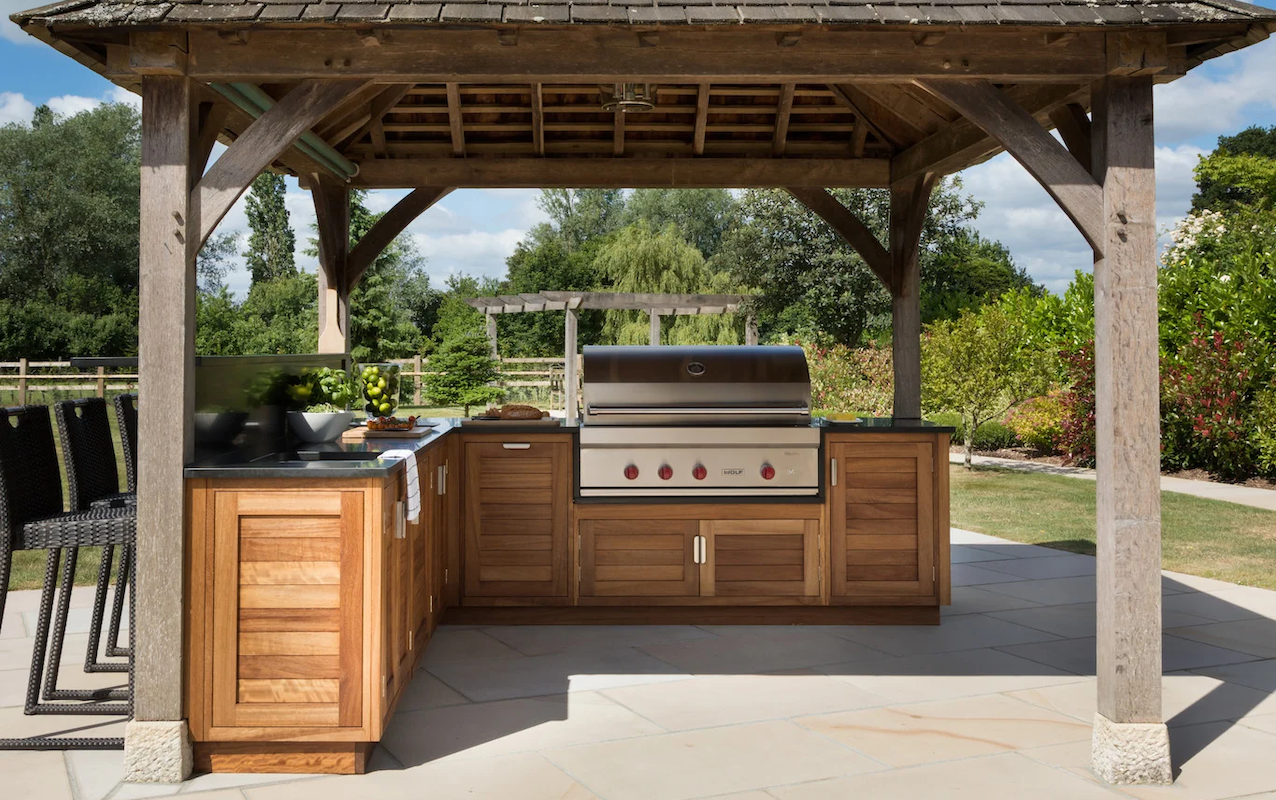
Florida’s outdoor living dream can quickly turn into a nightmare when your outdoor kitchen starts falling apart after just a few years. Peeling paint, rusted hinges, warped cabinets, and moldy interiors - these aren’t just eyesores, they’re signs of a poorly built kitchen that wasn’t designed for South Florida’s brutal climate. The good news? These failures are 100% preventable with the right materials, design, and construction.
At Construction Florida, we’ve spent over a decade building and repairing outdoor kitchens across Miami, Fort Lauderdale, and Palm Beach. We’ve seen every mistake in the book - and we know exactly how to fix them for good. If you’re planning to build an outdoor kitchen in South Florida or install a weatherproof outdoor kitchen in Miami, this guide will show you why most outdoor kitchens fail and how to ensure yours lasts for decades.
The 5 Reasons Your Outdoor Kitchen Fails in Florida
Florida’s heat, humidity, salt air, and storms are a perfect storm for outdoor kitchen failures. Here are the top 5 reasons your outdoor kitchen is falling apart - and how to avoid them:
1. Cheap Materials That Can’t Handle the Climate
The Problem:
Most outdoor kitchens fail because they’re built with materials that aren’t up to Florida’s standards. Plywood cabinets, standard stainless steel, and untreated wood might look good at first, but they quickly succumb to:
- Salt air corrosion (rusts metal, degrades finishes).
- Humidity warping (swells wood, causes mold).
- UV damage (fades colors, weakens materials).
The Fix:
Use only marine-grade or weatherproof materials, such as:
✅ Marine-grade polymer cabinets (100% waterproof, UV-resistant, salt-proof).
✅ 316-grade stainless steel (rust-proof, durable, sleek).
✅ Teak or Ipe wood (naturally rot- and insect-resistant).
✅ Composite or aluminum framing (no rot, no rust).
Construction Florida’s Insight:
“We’ve seen $15,000 outdoor kitchens ruined in 3 years because the builder used standard plywood cabinets. In Florida, only marine-grade or stainless steel cabinets survive long-term - and we’ve proven it with hundreds of installations across South Florida.”
2. Poor Ventilation Traps Moisture
The Problem:
Florida’s humidity is relentless. If your outdoor kitchen isn’t properly ventilated, moisture gets trapped inside cabinets, leading to:
- Mold and mildew growth (unsightly and unhealthy).
- Wood warping and swelling (doors that won’t close).
- Metal corrosion (rusted hinges and screws).
The Fix:
Design your outdoor kitchen with ventilation in mind:
✅ Slatted cabinet doors (allows air circulation).
✅ Open shelving (prevents moisture buildup).
✅ Vented backs and sides (lets humidity escape).
✅ Elevated bases (keeps cabinets off the ground).
Example:
“We designed a Miami outdoor kitchen with vented polymer cabinets - no mold after 5 years in humidity.”
3. No UV Protection = Faded, Cracked Surfaces
The Problem:
Florida’s intense UV rays can fade, crack, and weaken outdoor kitchen materials over time. Cheap laminates, untreated wood, and low-quality metals are especially vulnerable.
The Fix:
Protect your outdoor kitchen with UV-resistant materials and finishes:
✅ Powder-coated aluminum or stainless steel (resists fading).
✅ UV-stabilized polymer cabinets (won’t crack or discolor).
✅ Epoxy or polyurethane coatings (extra protection for wood).
✅ Shade structures (pergolas, awnings, or canopies).
Construction Florida’s Tip:
“A retractable awning over your outdoor kitchen in Miami can extend the life of your cabinets and countertops by years.”
4. Weak or Improper Sealing Lets in Salt Air and Water
The Problem:
Even the best materials won’t last if salt air and water can seep into seams, joints, and edges. Poor sealing leads to:
- Corrosion of metal parts (hinges, screws, frames).
- Delamination of wood (peeling, bubbling).
- Mold growth (inside cabinets and drawers).
The Fix:
Seal every inch of your outdoor kitchen:
✅ Waterproof caulk around joints and edges.
✅ Gasket seals on doors and drawers.
✅ Epoxy coatings for extra protection.
✅ Stainless steel or polymer hardware (no rust).
Example:
“A Fort Lauderdale outdoor kitchen we built with sealed polymer cabinets has no rust or mold after 8 years of coastal exposure.”
5. Poor Installation = Structural Failures
The Problem:
A badly installed outdoor kitchen is a ticking time bomb. Common installation mistakes include:
- Unlevel surfaces (causes water pooling).
- Weak fasteners (screws and bolts that loosen or rust).
- No reinforcement (cabinets that pull away from walls).
- Improper electrical/wiring (fire hazards in wet conditions).
The Fix:
Hire a professional to install your outdoor kitchen in Florida. Look for:
✅ Licensed, insured contractors.
✅ Experience with outdoor kitchens (ask for references).
✅ Marine-grade materials and techniques (no shortcuts).
✅ Warranty on workmanship (lifetime preferred).
Construction Florida’s Promise:
“We only use marine-grade materials and expert installation techniques to ensure your outdoor kitchen in South Florida lasts decades - not just a few years.”
How to Fix Your Outdoor Kitchen for Good
If your outdoor kitchen is already showing signs of wear, don’t despair - it’s not too late to fix it. Here’s how to salvage and upgrade your space:
1. Replace Failing Cabinets with Marine-Grade Options
- Swap out plywood or MDF cabinets for marine-grade polymer or stainless steel.
- Example: A Miami Beach homeowner replaced their rotting wood cabinets with polymer cabinets - no more warping or mold.
2. Add Ventilation to Prevent Moisture Buildup
- Install slatted doors or vents to improve airflow.
- Example: A Palm Beach outdoor kitchen added vented cabinet backs - no more trapped humidity.
3. Apply UV-Protective Coatings
- Use powder-coated finishes or UV-stabilized sealants to prevent fading and cracking.
- Example: A Fort Lauderdale outdoor bar was recoated with epoxy - colors stayed vibrant for years.
4. Seal All Edges and Joints
- Apply waterproof caulk and gasket seals to keep out salt air and water.
- Example: A Coral Gables outdoor kitchen had all seams resealed - no more rust or delamination.
5. Reinforce the Structure
- Check for loose fasteners, weak joints, or unlevel surfaces and reinforce as needed.
- Example: A Boca Raton outdoor kitchen had stainless steel brackets added - no more wobbling cabinets.
How to Build an Outdoor Kitchen in South Florida That Lasts
If you’re planning to build an outdoor kitchen in South Florida, here’s how to do it right the first time:
1. Choose the Right Materials
| Component | Best Materials for Florida | Avoid |
|---|---|---|
| Cabinets | Marine-grade polymer, 316 stainless steel, teak | Plywood, MDF, standard wood |
| Countertops | Quartz, granite, concrete | Laminate, untreated wood |
| Hardware | 316 stainless steel, polymer | Cheap aluminum, untreated metal |
| Decking/Flooring | Composite, tile, stained concrete | Untreated wood, low-quality tile |
| Appliances | Stainless steel grills, marine-grade fridges | Cheap metal, non-sealed units |
2. Design for Florida’s Climate
- Ventilation: Slatted doors, open shelving, vented backs.
- Elevation: Raised bases to prevent water damage.
- Shade: Pergolas, awnings, or canopies to block UV rays.
- Drainage: Sloped countertops to prevent water pooling.
3. Hire a Professional for Outdoor Kitchen Install in Florida
- Look for:
- Licensed, insured contractors (with outdoor kitchen experience).
- Marine-grade materials and techniques.
- Warranty on workmanship (lifetime preferred).
- Avoid:
- DIY installations (unless you’re a pro).
- Contractors who cut corners (cheap materials, poor sealing).
Construction Florida’s Tip:
“When you build an outdoor kitchen in South Florida, always prioritize durability over cost. A weatherproof outdoor kitchen in Miami might cost more upfront, but it saves you thousands in repairs and replacements.”
Real-Life Examples: Outdoor Kitchens That Last in Florida
1. The Miami Beach Weatherproof Kitchen
- Materials: Marine-grade polymer cabinets, quartz countertops
- Features:
- Smart grill with Wi-Fi controls
- Under-counter fridge and ice maker
- Vented design to prevent moisture buildup
- Result: “Still pristine after 6 years - even after Hurricane Irma.”
2. The Fort Lauderdale Rooftop Oasis
- Materials: 316 stainless steel cabinets, teak accents
- Features:
- Pizza oven and smoker combo
- Bar seating for 8
- Retractable pergola for shade
- Result: “The stainless steel has zero rust, and the teak looks richer with age.”
3. The Palm Beach Dockside Bar
- Materials: Fiberglass cabinets, aluminum framing
- Features:
- Storage for fishing gear
- Sink with freshwater hookup
- Battery-powered LED lights
- Result: “No warping or corrosion - even right on the coast.”
The Bottom Line: Invest in Durability
Your outdoor kitchen is an investment - not just in money, but in lifestyle, convenience, and property value. Cutting corners on materials or installation might save you a few dollars upfront, but it will cost you far more in repairs, replacements, and frustration down the road.
At Construction Florida, we specialize in building outdoor kitchens in South Florida that defy heat, humidity, and salt air. Whether you’re looking to install a weatherproof outdoor kitchen in Miami or upgrade your existing space, we have the expertise, materials, and craftsmanship to make it last.
Your outdoor kitchen should be the last thing you worry about. Let’s make sure it is.