

Dock Repair vs. Replacement: How to Know Which Option You Need
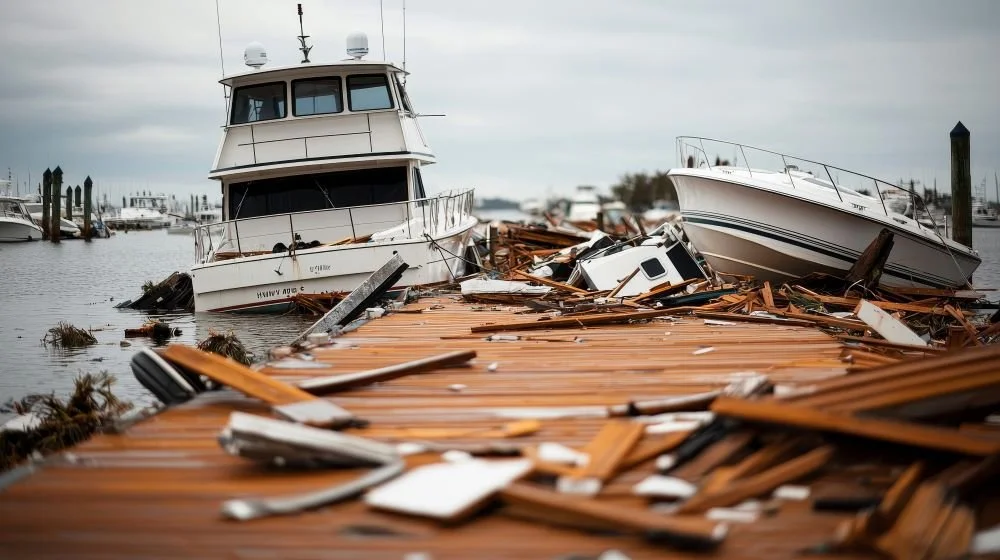
If you own a waterfront property in Florida, your dock is one of your most valuable assets. It provides access to the water, protects your boat, and adds significant property value. But with constant exposure to saltwater, sun, storms, and marine organisms, docks naturally deteriorate over time.
When damage appears, homeowners often ask the same question:
Should I repair the dock, or is it time to replace it?
This guide breaks down the key signs, cost considerations, and expert recommendations to help you determine the best solution for your dock.
1. How Long Should a Dock Last in Florida?
Dock lifespan depends heavily on materials and maintenance. On average:
Wood docks: 10–20 years
Salt water, sunlight, and marine borers shorten lifespan.
Composite docks: 25–30+ years
More resistant to moisture, rot, and UV exposure.
Aluminum docks: 30+ years
Highly durable and corrosion-resistant.
Pilings (the most crucial part):
- Wood pilings: 15–25 years
- Concrete pilings: 30–50+ years
- Composite pilings: 50+ years
If your dock’s structure is reaching its expected lifespan, replacement may be more cost-effective than ongoing repairs.
2. Signs You Need Dock Repairs
Not all damage requires a full rebuild. Some issues are localized and can be fixed quickly.
You may only need repairs if you notice:
✔ Loose or missing boards
Decking boards crack, warp, or loosen due to moisture and UV exposure.
✔ Surface rot on wood decking
If rot is limited to small areas, spot repairs are usually sufficient.
✔ Rusting hardware
Nails, bolts, cleats, and brackets can be replaced affordably.
✔ Minor piling wear
If pilings have small cracks or surface damage, they may be repairable.
✔ Loose handrails or wobbly sections
Often caused by loose fasteners or isolated structural issues.
✔ Damage from boats bumping the dock
Fenders, bumpers, and boards can be replaced individually.
✔ Small sinkholes near the shoreline
Shoreline stabilization can fix this without rebuilding the dock.
If the structure is stable and the issues are cosmetic or localized, repair is usually the smart choice.
3. Signs Your Dock Needs Full Replacement
Some structural problems are too significant for repair and can pose safety risks.
You likely need a replacement if you notice:
❌ Severely rotted pilings
Pilings hold up your entire dock. If they’re deteriorated, the structure is unsafe.
❌ Widespread wood rot or termite damage
Surface fixes won’t solve deep structural decay.
❌ Sagging or uneven dock platform
Indicates foundational instability.
❌ Major storm damage
Hurricanes and tropical storms can twist, lift, or dislodge docks beyond repair.
❌ Loose or failing connections throughout the structure
This means the dock is nearing the end of its lifespan.
❌ Your dock is 20+ years old and repairs are becoming frequent
Repeated repairs become more expensive than rebuilding.
❌ Dock no longer meets code requirements
Older docks often fail current Florida marine construction standards.
If multiple structural components are failing, replacement is not only safer - it’s more cost-effective long-term.
4. Cost Comparison: Repair vs. Replacement
Costs vary based on materials, size, and damage level, but this general rule helps:
Repair is best when:
- Less than 35% of the dock is damaged
- Pilings are in good condition
- The structure is under 15–20 years old
- Issues are cosmetic or limited
Replacement is best when:
- More than 40–50% of components need repair
- Pilings are compromised
- Damage affects stability
- Dock is outdated or poorly built
- You want to upgrade to modern materials (composite/aluminum)
Over time, constant repairs on an older dock can cost more than a replacement.
5. Why Professional Inspection Matters
A trained marine contractor can quickly identify what homeowners often miss:
- Piling structural integrity
- Hidden rot under decking
- Borer infestation
- Corrosion on connectors
- Foundation movement
- Weak points that won’t withstand storms
A professional assessment gives you clear guidance - repair, replace, or upgrade.
6. Materials to Consider for Your New Dock
If replacement is the right option, choosing the right materials ensures longevity and lower maintenance.
Best materials for Florida docks:
- Composite decking (UV/rot resistant)
- Aluminum framing (lightweight, strong, corrosion-resistant)
- Concrete or composite pilings
- Stainless steel or hot-dipped galvanized hardware
These materials withstand heat, moisture, and marine elements better than traditional wood.
Repair or Replace? Here’s the Bottom Line
- Repair your dock if issues are minor, localized, or cosmetic.
- Replace your dock if the structure is failing, unsafe, or near the end of its lifespan.
A professional inspection is the most accurate way to determine the right path forward. With Florida’s challenging waterfront conditions, investing in quality repairs - or a well-built replacement - ensures your dock remains safe, stable, and enjoyable for years to come.