

The Complete Guide to Building a Pergola in South Florida’s Climate
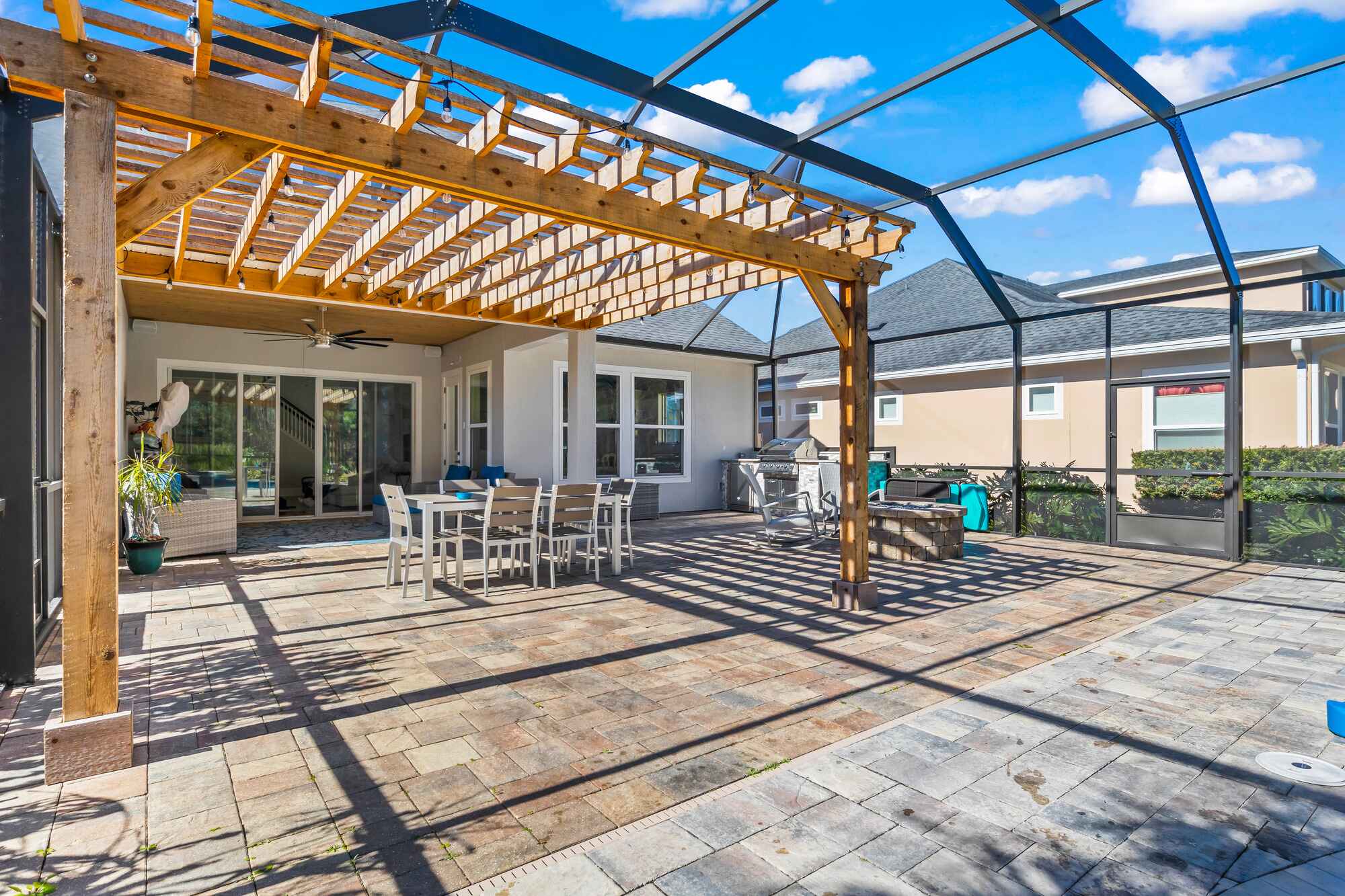
Building a pergola is one of the best ways to enhance your outdoor living space - especially in South Florida, where homeowners spend much of the year relaxing, entertaining, and cooking outdoors. A well-designed pergola provides shade, style, and structure, transforming your backyard into a functional retreat.
But South Florida’s climate is challenging. The intense sun, high humidity, salt air, heavy rains, and seasonal storms mean your pergola must be designed and built with durability in mind. This guide covers everything you need to know before building a pergola in South Florida.
1. Why Pergolas Are Perfect for South Florida Homes
Pergolas offer beauty and practicality in equal measure. They are ideal for coastal living and backyard entertaining, especially when paired with outdoor kitchens, seating areas, or pool decks.
Key benefits:
- Provides shade from intense sunlight
- Defines outdoor living zones
- Adds architectural character
- Supports fans, lighting, and décor
- Creates airflow without trapping heat
- Increases property value and curb appeal
With proper materials and construction, a pergola can last for decades - even in Florida’s harsh environment.
2. Choosing the Best Materials for Florida’s Climate
South Florida demands materials that resist moisture, rot, corrosion, and UV damage. Your choice of material determines lifespan, maintenance needs, and overall appearance.
1. Aluminum Pergolas (Highly Recommended)
- Rustproof
- Withstands humidity and salt air
- Requires almost no maintenance
- Excellent for coastal homes
- Modern, sleek appearance
Many homeowners choose aluminum pergolas because they remain stable during storms and retain their look for many years.
2. Pressure-Treated Wood or Cedar
- Classic, warm, natural aesthetic
- Can be stained or painted
- More budget-friendly
- Requires regular maintenance
Wood is beautiful but needs sealing and upkeep to prevent rot, mold, and UV fading.
3. Composite or PVC
- Moisture-resistant
- Low maintenance
- Won’t warp or crack
- Ideal for homeowners wanting a wood look without heavy upkeep
Composites perform well in Florida but may be more expensive upfront.
4. Steel or Metal Hybrid Pergolas
- Extremely strong
- Good for larger spans or modern designs
- Must be coated to prevent corrosion near the coast
Each material offers different benefits, and the right choice depends on your design goals, budget, and long-term maintenance preferences.
3. Pergola Designs Ideal for South Florida
To maximize comfort and visual appeal, consider designs that work specifically with South Florida weather patterns.
1. Louvered Pergolas (Manual or Motorized)
These adjustable roof systems are perfect for Florida:
- Close the louvers during rain
- Open for ventilation
- Tilt for controlled shade
- Storm-resistant designs available
2. Open-Slat Pergolas
Classic and affordable, great for:
- Adding partial shade
- Supporting plants or hanging décor
- Enhancing airflow
3. Attached Pergolas
Ideal for:
- Patios
- Outdoor kitchens
- Extending indoor living spaces
4. Freestanding Pergolas
Great for:
- Poolside areas
- Garden lounges
- Outdoor dining spaces
- Middle-of-yard gathering zones
Mixing design and functionality ensures your pergola enhances your entire outdoor setup.
4. Choosing the Right Shade Options
In South Florida, sun protection is a top priority. Consider adding:
- Shade canopies or retractable fabric
- Polycarbonate roof panels (UV-blocking)
- Motorized screens
- Climbing plants (bougainvillea, jasmine)
- Slatted louver systems
These additions make your pergola usable even during the hottest hours of the day.
5. Permitting Requirements in South Florida
Depending on your county and structure type, you may need:
- A building permit
- HOA approval (if applicable)
- Engineering drawings
- Wind-load calculations
Most counties require permits if:
- The pergola is attached to the home
- It exceeds certain size thresholds
- It includes electrical components (fans/lights)
South Florida has strict building codes for hurricanes, so working with an experienced contractor helps ensure compliance and smooth approval.
6. Preparing Your Site for Installation
Before construction begins, consider:
- Location (sun exposure, breeze direction, privacy)
- Foundation type (concrete footings or anchored posts)
- Distance from property lines
- Drainage and grading
- Proximity to outdoor kitchens or seating areas
A professionally planned layout ensures your pergola functions perfectly year-round.
7. Enhancing Your Pergola for Maximum Enjoyment
Once the structure is completed, you can customize it with features that improve comfort and ambiance.
Popular upgrades:
- Outdoor lighting
- Ceiling fans
- Hanging lanterns
- Privacy screens
- Built-in seating
- Outdoor cabinets or bar areas
- Fire pits or water features nearby
These additions turn a basic pergola into a luxurious outdoor retreat.
Build a Pergola Built for the Florida Lifestyle
A pergola is one of the best investments you can make in your South Florida home - adding beauty, shade, durability, and functional outdoor living space. With the right materials, thoughtful planning, and professional installation, your pergola will withstand the elements and provide years of enjoyment.
Whether you're creating an outdoor kitchen area, a relaxing lounge, or a shaded retreat by the pool, the perfect pergola starts with smart design and quality construction.