

Storm-Proof Your Waterfront: Expert Dock Building Tips for Florida’s Coast
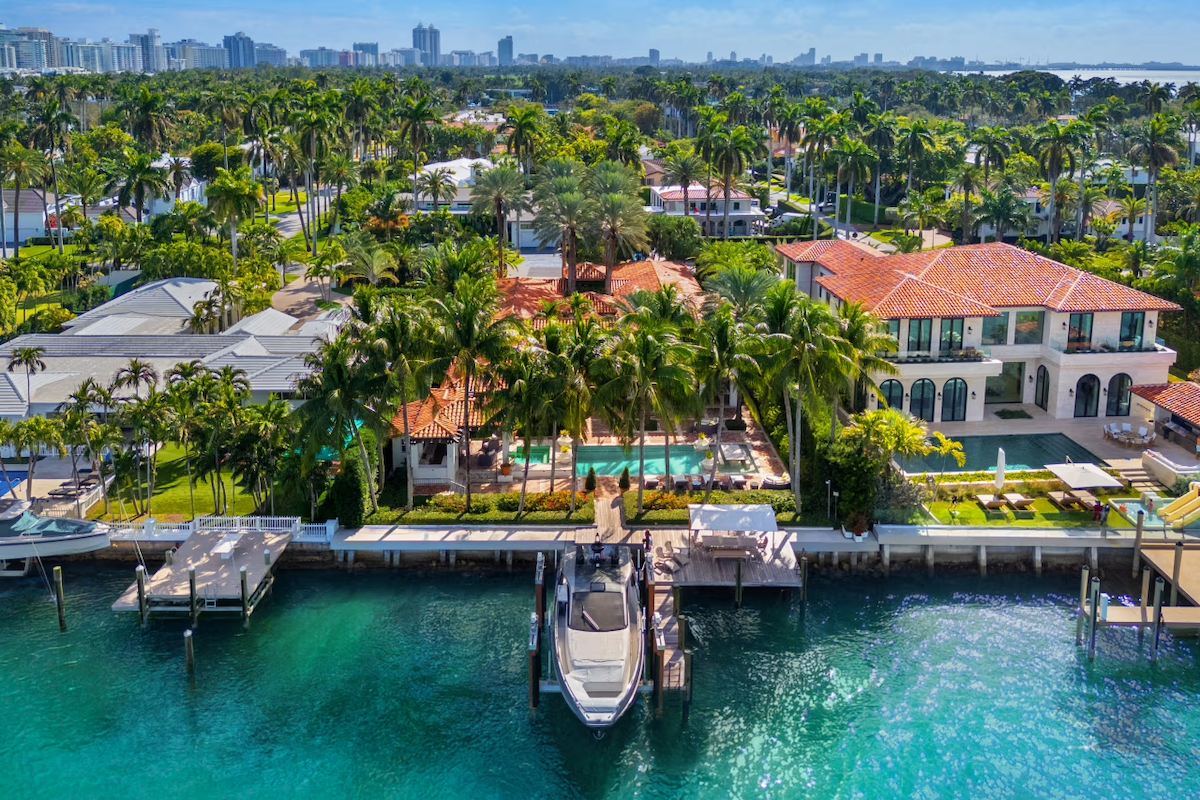
Florida’s coastline is a paradise for boaters, anglers, and waterfront homeowners—but it’s also ground zero for hurricanes, tropical storms, and relentless saltwater corrosion. If your dock isn’t built to withstand these challenges, you could face costly damage, safety hazards, and even complete loss during storm season.
At Construction Florida, we’ve spent years designing and building storm-resistant docks across Miami, Fort Lauderdale, Palm Beach, and the Keys. Our team knows what it takes to protect your investment and keep your waterfront property safe and functional—no matter what Mother Nature throws at it.
In this guide, we’ll share expert tips on how to:
✔ Choose the Right Materials for maximum durability
✔ Design for Wind, Waves, and Storm Surge
✔ Secure Your Dock with Proper Anchoring & Pilings
✔ Add Protective Features like seawalls and boat lifts
✔ Maintain Your Dock to extend its lifespan
By the end, you’ll know exactly how to storm-proof your dock and avoid costly repairs after the next big storm.
1. Why Florida Docks Need Storm-Proofing
Florida’s hurricane season (June 1 – November 30) brings:
- High winds (100+ mph in major storms)
- Storm surge (flooding that can lift or destroy docks)
- Flying debris (which can puncture or weaken structures)
- Saltwater corrosion (accelerated by humidity and salt spray)
The Cost of Neglect:
- $10,000–$50,000+ in repairs after a major storm
- Downtime (weeks or months without dock access)
- Lower property value if your dock is damaged or outdated
Construction Florida’s Experience:
“We’ve seen docks completely washed away in Category 3 storms—and others that survived with minimal damage because they were built right. The difference? Smart design and quality materials.” — Construction Florida Team
2. Storm-Resistant Dock Materials: What Works (and What Doesn’t)
Not all dock materials are created equal. Here’s what holds up best in Florida’s harsh conditions:
A. Best Materials for Storm-Proof Docks
| Material | Storm Resistance | Lifespan | Best For | Cost Range |
|---|---|---|---|---|
| Marine-Grade Aluminum | ⭐⭐⭐⭐⭐ | 25-30+ years | Saltwater, high-wind areas | $20,000–$50,000 |
| Reinforced Concrete | ⭐⭐⭐⭐⭐ | 30-50 years | Commercial docks, heavy boats | $30,000–$80,000+ |
| Composite Decking | ⭐⭐⭐⭐ | 20-30 years | Eco-friendly, low-maintenance | $25,000–$60,000 |
| Tropical Hardwood (Ipe, Cumaru) | ⭐⭐⭐ | 15-25 years | Natural look, freshwater use | $20,000–$45,000 |
| Galvanized Steel | ⭐⭐⭐⭐ | 20-30 years | Industrial, high-load docks | $25,000–$60,000 |
| Pressure-Treated Wood | ⭐⭐ | 10-15 years | Budget-friendly, low-traffic | $15,000–$30,000 |
Avoid:
- Untreated wood (rots quickly in saltwater)
- Cheap aluminum (corrodes without marine-grade coating)
- Plastic docks (can become brittle in UV exposure)
Why Construction Florida Recommends Aluminum & Composite:
“Marine-grade aluminum doesn’t rust, and composite decking won’t splinter or warp. These materials flex slightly in high winds, reducing stress on the structure.”
B. Pilings & Anchoring: The Foundation of a Storm-Proof Dock
Your dock is only as strong as its pilings and anchoring system. In Florida, we recommend:
Piling Types:
- Concrete Pilings – Best for storm surge resistance, but expensive.
- Galvanized Steel Pilings – Strong and durable, ideal for deep water.
- Fiberglass Pilings – Lightweight, corrosion-proof, but less common.
Anchoring Systems:
- Helical Anchors – Screw into the ground for maximum stability.
- Deadweight Anchors – Concrete blocks that hold floating docks in place.
- Drive-Pipe Pilings – Deep-driven for hurricane-prone areas.
Pro Tip:
“Pilings should be driven at least 10–15 feet deep to withstand storm surge. In high-risk zones (like the Keys), we go even deeper.”
3. Dock Design: Engineering for Wind & Waves
A. Shape & Layout Matters
- L-Shaped or U-Shaped Docks – Provide better wind resistance than straight docks.
- Floating Docks with Flexible Connectors – Rise and fall with storm surge without breaking.
- Open-Grid Decking – Allows water to flow through, reducing wave impact.
B. Elevation & Freeboard
- Minimum 2–3 feet of freeboard (height above water) to prevent flooding.
- Adjustable docks (for areas with tidal fluctuations).
C. Breakaway Sections
- Weak links (designed to fail safely) prevent the entire dock from being ripped away.
- Quick-release cleats let you detach boats before a storm.
Construction Florida’s Approach:
“We design docks with breakaway points and reinforced corners—so if a section is damaged, the rest stays intact.”
4. Protective Features to Add
A. Seawalls & Riprap
- Seawalls (concrete or vinyl) block erosion and reduce wave impact.
- Riprap (rock barriers) absorb energy from waves.
Cost: $50–$150 per linear foot
B. Boat Lifts & Storm Prep
- Hydraulic or electric boat lifts ($5,000–$20,000) keep boats safe above storm surge.
- Quick-release canopies protect boats from flying debris.
C. Wind & Debris Shields
- Plexiglass or polycarbonate panels ($1,000–$5,000) block wind and debris.
- Removable railings prevent damage from high waves.
5. Storm Preparation Checklist
Before a storm hits, take these steps to minimize damage:
✅ Remove loose items (chairs, coolers, fishing gear).
✅ Secure boats (either lift them out or double-moor them).
✅ Check pilings and hardware for rust or weakness.
✅ Lower canopies or umbrellas to reduce wind resistance.
✅ Document your dock’s condition (for insurance claims).
Post-Storm Inspection:
- Look for bent pilings, loose boards, or shifted sections.
- Rinse with fresh water to remove salt and debris.
6. Real-Life Example: A Storm-Proof Dock in Fort Lauderdale
Project: Reinforced Aluminum Dock with Helical Pilings
- Location: Fort Lauderdale (high-risk hurricane zone)
- Materials: Marine-grade aluminum, composite decking
- Features:
- Helical pilings (12 ft deep)
- Breakaway sections
- Boat lift with storm straps
- Result: Survived Hurricane Ian (2022) with no damage
Homeowner Testimonial:
“Our old wood dock was destroyed in Irma, but the new one Construction Florida built didn’t even shift during Ian. Worth every penny!” — Mark T., Fort Lauderdale
7. Maintenance: Keeping Your Dock Storm-Ready
Even the best docks need regular upkeep to stay strong:
| Task | Frequency | Why It Matters |
|---|---|---|
| Inspect pilings & hardware | Every 6 months | Catches rust or corrosion early |
| Tighten bolts & connectors | Annually | Prevents loose sections in storms |
| Pressure wash & seal | Every 1-2 years | Removes salt and algae buildup |
| Check boat lift cables | Before hurricane season | Ensures safe operation |
Construction Florida’s Maintenance Plan:
“We offer annual dock inspections to catch issues before they become costly storm damage.”
Ready to Storm-Proof Your Dock?
Don’t wait until the next hurricane warning to protect your waterfront investment. At Construction Florida, we specialize in storm-resistant docks that last for decades.
Contact Us Today for a Free Storm-Readiness Assessment!
Let’s build a dock that stands up to Florida’s toughest storms—schedule your consultation now!
A storm-proof dock isn’t just about survival—it’s about peace of mind. By choosing the right materials, design, and contractor, you can enjoy your waterfront property without worrying about the next big storm.
Need a custom solution? Contact us today to discuss your project!