

Marine Construction Permits in Florida: What Homeowners Need to Know
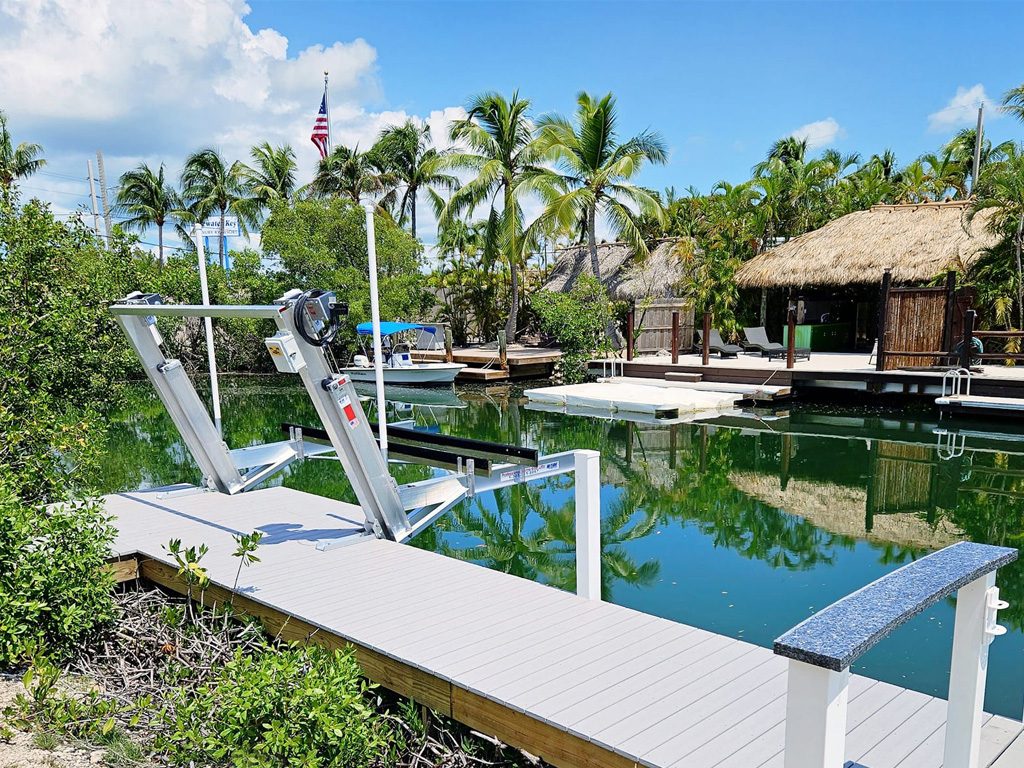
If you own a waterfront property in Florida and plan to build or repair a dock, seawall, boat lift, or any other marine structure, you’ll likely need one or more marine construction permits. Florida has some of the strictest coastal and environmental regulations in the country, and understanding the permitting process is essential before starting any work.
Whether you're building a brand-new dock or replacing old pilings, this guide explains everything homeowners should know before beginning a marine construction project in Florida.
1. Why Permits Are Required for Marine Construction in Florida
Florida’s coastline and inland waterways are environmentally sensitive. Marine construction can impact:
- Water quality
- Shoreline stability
- Wildlife habitats
- Navigational safety
- Erosion patterns
Permits ensure all construction meets state and county regulations while minimizing environmental impact. Working without the proper permits can lead to fines, stop-work orders, and even forced removal of the structure.
2. Common Projects That Require Permits
Most homeowners are surprised by how many projects require permitting. If your project involves installing, repairing, or altering any structure connected to the water, you will probably need approval.
You will typically need permits for:
- Dock construction or expansion
- Pile driving
- Boat lift installation
- Seawall construction or repair
- Boardwalks, piers, or platforms
- Dredging or shoreline modification
- Floating docks or ramps
- Riprap installation or replacement
Even maintenance work may require a “like-for-like” permit to verify that materials and footprint do not change.
3. Who Issues Marine Construction Permits in Florida?
Permits for marine construction usually involve multiple agencies. The exact combination depends on your location and type of project.
Primary agencies include:
1. Florida Department of Environmental Protection (DEP)
DEP regulates:
- Impacts on submerged lands
- Water quality
- Environmental protection zones
- Coastal structures
2. U.S. Army Corps of Engineers (USACE)
Required if your project affects:
- Federal waterways
- Wetlands
- Navigational channels
3. County and Municipal Agencies
Examples: Miami-Dade, Broward, Palm Beach.
They regulate:
- Zoning
- Setbacks
- Pile spacing
- Length of dock
- Construction hours
4. Homeowners Associations (HOAs)
Many waterfront communities require additional approval before applying for county permits.
4. What Documents Do Homeowners Need to Apply?
Permit applications typically require:
- Site survey showing property lines and shoreline.
- Proposed construction plans (engineer or contractor prepared).
- Environmental assessment (for certain sensitive areas).
- Photos of the existing structure and surroundings.
- Material specifications (wood type, composite, piling material, etc.).
- Contractor license and insurance documentation.
The permitting process is easier when handled by an experienced marine contractor who already knows local requirements.
5. How Long Does the Permit Process Take?
This depends on the complexity of the project and county workload.
General estimates:
- Dock repair (minor): 2–4 weeks
- Boat lift installation: 3–6 weeks
- New dock or piling project: 6–12+ weeks
- Seawall construction: 8–16+ weeks
- Projects requiring federal review: 3–6 months
Submitting a complete and properly prepared application significantly reduces delays.
6. What Happens If You Build Without a Permit?
Florida enforces marine regulations strictly.
If you build without a permit, you may face:
- Stop-work orders
- Fines from city, county, and state
- Mandatory removal of construction
- Delays in selling your property (non-permitted structures must be disclosed)
In some counties, fines are charged per day until the issue is resolved.
7. How a Professional Marine Contractor Helps
Experienced marine contractors streamline the entire process by managing:
- Site evaluation
- Design and engineering plans
- Permit applications
- Agency communication
- Construction timeline
- Inspections and compliance
- Material sourcing
- Final approval
This saves homeowners time, stress, and costly mistakes - especially in counties like Miami-Dade, where marine permitting can be highly complex.
Start Your Marine Construction Project the Right Way
Marine construction permits in Florida are essential for protecting your property, your investment, and the coastal environment. By understanding the permitting process - and working with a licensed marine contractor - you can avoid delays, stay compliant, and ensure your dock, boat lift, or seawall is built correctly and safely.
If you’re planning a waterfront project, now is the best time to prepare your site evaluation and begin the permitting process.